Cactus Digital Paper: Bold Textures for Modern Projects
There’s a reason desert-inspired aesthetics continue to dominate modern design trends. The cactus, specifically, represents resilience and organic beauty, making it a versatile subject for visual storytelling. However, sourcing high-quality, cohesive textures can be time-consuming. Enter the Cactus Digital Paper collection—a curated set of assets designed to solve the "blank canvas" problem for creatives. If you are a designer, entrepreneur, or crafter looking to infuse your work with a distinct, botanical vibe, understanding how to leverage these assets is key to elevating your output.
Deconstructing the Collection: What You Get
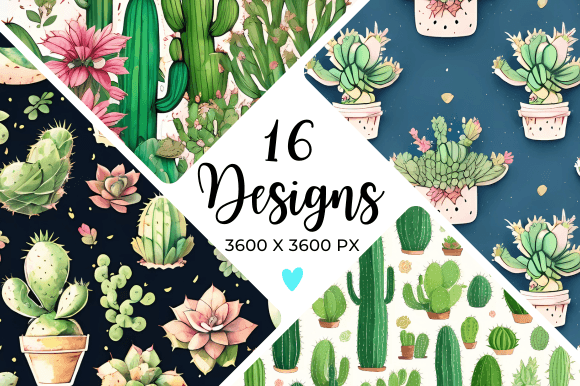
When you invest in a design asset, you need to know exactly what you are working with to plan your projects effectively. This collection is streamlined for maximum utility. You will receive a single ZIP file containing 16 distinct JPG files. Each file is a high-resolution image sized at 3600 x 3600 pixels (12" x 12"). This square aspect ratio is the industry standard for digital scrapbooking and seamless pattern creation, but the utility extends far beyond that niche.
The visual personality of these designs balances between illustrative art and functional background texture. Depending on the specific style within the set—whether it leans toward watercolor washes, geometric line art, or realistic photography—the "voice" of the paper can range from playful and whimsical to sophisticated and minimalist. This variety allows for dynamic visual hierarchy in your projects. You aren't just getting a picture of a plant; you are getting a design tool that dictates the mood of the final composition.
Practical Applications: Beyond Scrapbooking
While digital scrapbookers will find the 12x12 format immediately useful, the real power of Cactus Digital Paper lies in its adaptability across professional and commercial fields. Here is how different creative roles can apply these textures:
- Brand Identity and Packaging: For small business owners in the beauty, wellness, or lifestyle sectors, these textures can serve as the foundation for packaging design. Imagine a matte soap box wrapper using a subtle cactus texture as a background. It instantly communicates an eco-friendly or botanical brand perception without needing complex custom illustration.
- Editorial and Web Design: Bloggers and web designers often struggle with finding background images that don't distract from the text. These papers offer a way to break up long blocks of content. They work exceptionally well as "breakout" backgrounds for pull quotes or as hero image overlays, adding depth to flat web design layouts.
- Social Media Marketing: Consistency is vital on platforms like Instagram and Pinterest. Marketers can use these files to create a cohesive grid aesthetic. Because the files are high-resolution, they can be cropped aggressively for Stories or Reels without losing quality, ensuring your social media graphics remain crisp and professional.
- Physical Products: Crafters can utilize these designs for print-on-demand services. Think notebook covers, planner inserts, greeting cards, or even fabric printing. The 300 DPI equivalent (based on the pixel count) ensures that prints remain sharp on paper goods.
The Psychology of the "Green" Aesthetic
Using botanical elements like cacti is more than just a stylistic choice; it is a strategic one. In modern typography and layout design, negative space and texture play a massive role in audience engagement. Green tones and organic shapes are psychologically associated with growth, tranquility, and nature. By incorporating Cactus Digital Paper into your designs, you subconsciously signal these values to your audience. This is particularly effective for brand identity work targeting eco-conscious consumers.
Integrating Assets: Pairing and Typography
A texture is only as good as the typography placed on top of it. One of the biggest pitfalls in using patterned paper is compromising readability. Because cactus patterns can be visually "busy," your choice of typeface is critical.
To maintain a professional look, avoid using overly decorative script fonts or complex handwritten fonts directly over dense patterns. Instead, consider the following pairings:
- High Contrast Sans Serifs: A bold, clean sans serif font (like a heavy weight of Helvetica or Futura) creates a strong visual anchor. It cuts through the organic noise of the cactus texture, ensuring your message is the first thing the viewer sees.
- Classic Serifs: If your project requires a more editorial, high-end feel (such as a wedding invitation or a boutique magazine layout), pair the texture with a refined serif font. The sharp edges of the serif letters contrast beautifully with the organic curves of the plant life.
- Text Masking: For logo design or headline treatments, consider using the Cactus Digital Paper as a clipping mask inside your text. This turns your typography into a texture itself—a popular trend in poster design and apparel graphics.
Always test your font pairing at the intended output size. A combination that looks good on a 27-inch monitor might become illegible when printed on a business card.
Evaluating Fit and Usage Rights
Before integrating any asset into a commercial workflow, you must evaluate the licensing. This collection is delivered as a digital download, meaning no physical product is shipped. This instant access is crucial for tight deadlines, but it also places the responsibility on you to manage the files correctly.
From a technical standpoint, always check the color profile of the JPGs. While they are high-resolution, they may be in RGB mode (standard for screens). If you are planning offset printing or packaging design, you will likely need to convert them to CMYK and adjust the saturation, as greens can shift significantly during this conversion process.
Regarding commercial use, most standard digital paper licenses allow for the creation of physical end products (like a finished invitation) but prohibit the resale of the raw file itself. Ensure you are using these as design assets to create something new, rather than distributing the paper as a standalone product.
Final Thoughts on Asset Management
Building a library of high-quality assets like the Cactus Digital Paper set is an investment in your creative efficiency. By having a bank of textures ready to go, you reduce production time and maintain a consistent level of quality across your projects. Whether you are designing a mood board for a client, mocking up a new web design, or crafting a personal journal, these files provide a solid, versatile foundation. Treat them not just as backgrounds, but as essential tools in your design toolkit that help bridge the gap between a concept and a polished, professional final product.