Math Worksheets Autism: Subtraction Page – Building Confidence
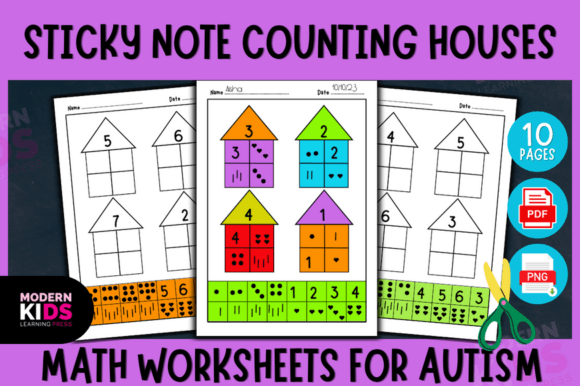
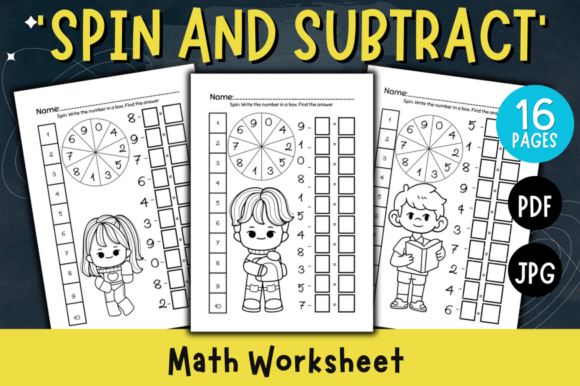
When we design educational resources for neurodiverse learners, the goal isn't just to present information—it's to create a bridge to understanding. The Math Worksheets Autism: Subtraction Page does exactly this. It’s not a font, but a thoughtfully crafted set of printable worksheets designed specifically for individuals on the autism spectrum. The product’s strength lies in its visual clarity, structured layout, and minimalist aesthetic, which together create a supportive and distraction-free learning environment. For designers, educators, and parents, this resource offers a practical tool that prioritizes user experience and cognitive accessibility above all else.
The Design Philosophy: Clarity Over Clutter
The core appeal of these worksheets is their intentional simplicity. Each page uses a clean, sans-serif typeface for the numerals and instructions, ensuring maximum readability. The layout is consistent, with ample white space that prevents visual overload—a crucial consideration for learners who may be sensitive to sensory input. There are no extraneous graphics or competing visual elements. Instead, the focus remains squarely on the subtraction problems, presented in a logical, sequential flow. This approach mirrors best practices in modern typography and user interface design, where clarity and ease of navigation are paramount. The Math Worksheets Autism: Subtraction Page functions as a well-designed system, where every element serves a purpose.
This design choice directly influences learning outcomes. A predictable layout reduces cognitive load, allowing the learner to focus their mental energy on the math itself rather than deciphering the page structure. The use of bold, high-contrast numerals and simple instructions creates a strong visual hierarchy, guiding the eye naturally from one problem to the next. For anyone involved in creating educational or instructional materials—whether for a classroom, a therapy session, or home use—this resource demonstrates how subtle design decisions can profoundly impact usability and effectiveness.
Practical Applications and Audience Engagement
While the primary audience is educators and parents of children with autism, the principles embodied in this resource have broader implications for designers and content creators. Consider the design of any instructional manual, a user onboarding flow for an app, or even the layout of a health and wellness guide. The Math Worksheets Autism: Subtraction Page serves as a case study in inclusive design. Its success lies in understanding the end-user's needs and removing barriers to comprehension.
For small business owners in the educational space, this product highlights the value of creating niche, high-quality assets. It’s a commercial font in spirit—not a typeface file, but a ready-to-use design solution that can be integrated into a curriculum or sold as part of a learning bundle. The included PDF and JPEG formats offer flexibility for both digital use on tablets and traditional print. This versatility is key for modern brand identity in the educational market, where consistency across physical and digital touchpoints builds trust.
Evaluating Resources for Inclusive Projects
When selecting or creating similar resources, a few practical considerations come into play. First, always test the materials with the target audience if possible. Does the layout feel intuitive? Is the text size and font weight comfortable for extended focus? Second, think about font pairing—even in a worksheet. The primary typeface used here for numbers likely pairs well with a simple, friendly script or handwritten font for titles or decorative elements, if added later. This maintains approachability without sacrificing clarity.
Finally, respect the terms of use. This product is clearly licensed for personal use, which is common for printable educational assets. For designers or entrepreneurs looking to create their own versions for commercial sale, it’s a reminder to either develop original content or secure proper licensing. The resource from ModernKids Learning Press is a valuable addition to a toolkit, but its true power is as an inspiration: a demonstration that effective design for specialized audiences is built on empathy, structure, and a relentless focus on the user's experience.