Number Posters for a Fun Math Classroom: Designing Visual Joy
There’s a specific kind of magic in a classroom where numbers feel less like homework and more like friends. That’s the energy behind Number Posters for a Fun Math Classroom—a resource that doesn’t just display digits but invites kids into a world where math is colorful, approachable, and genuinely exciting. For designers, educators, and content creators working in the education space, this isn’t just a set of posters. It’s a toolkit for building environments where learning feels like play.
The Visual Language: More Than Just Numbers
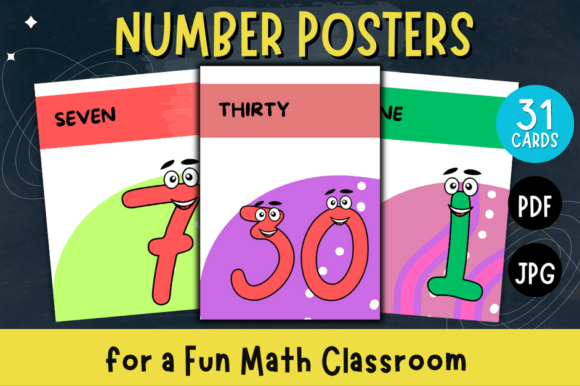
What makes these posters stand out? It starts with their personality. The designs lean into vibrant, saturated hues—think bold primaries and soft pastels working side by side. Each number is rendered with playful proportions, rounded edges, and often paired with subtle textures or friendly illustrations. There’s a deliberate warmth here, a visual language that says, “Math is safe. Math is fun. Math is for you.”
This isn’t sterile, corporate typography. It’s display font energy with a purpose—designed to hold attention without overwhelming. The style feels modern yet approachable, balancing clarity with charm. Whether used as a full set of 31 pages or individually, each poster carries a consistent aesthetic that ties the whole room together. That kind of visual cohesion matters more than we sometimes admit in educational spaces; it helps create a predictable, welcoming environment where kids can focus on learning rather than navigating visual chaos.
Where This Resource Truly Shines
While these are built for classrooms and homeschool setups, their applications stretch further than you might expect. Think about a pediatrician’s office needing cheerful wall art that also educates. Consider a children’s library corner, a tutoring center, or even a playroom at home. The PDF and JPEG file formats make them flexible—you can print them large for wall displays or smaller for flashcards, desk references, or interactive games.
For content creators and bloggers in the education niche, these posters offer ready-made visual assets for social media graphics, Pinterest pins, or website banners promoting math-related content. Their clean, high-contrast designs translate well to digital formats, maintaining readability even at thumbnail sizes. And because they’re part of a broader collection—think Count Cut and Paste Pages in fruit, vehicle, or animal themes—they can anchor a cohesive content series or product line.
Practical Guidance for Using These Posters
Start by thinking about your space and audience. A kindergarten classroom might benefit from displaying all 31 posters in a linear number line, creating a visual reference students can walk along. Older elementary rooms might use them selectively, rotating featured numbers to align with current lessons. In a homeschool setting, they work beautifully as part of a morning routine—pointing to the number of the day, discussing its shape, maybe even connecting it to a real-world object.
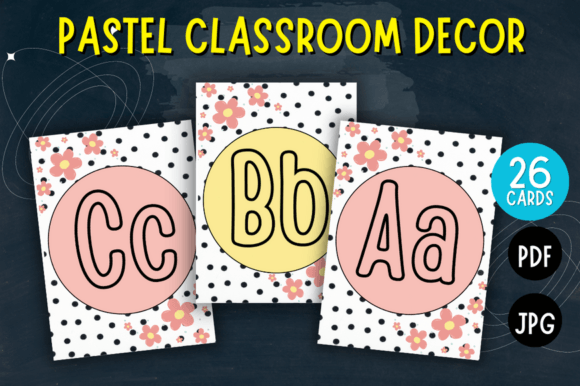
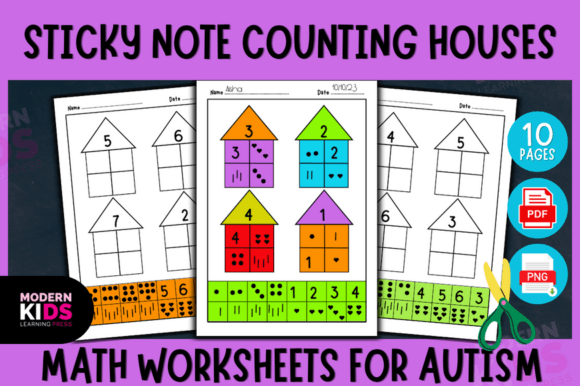
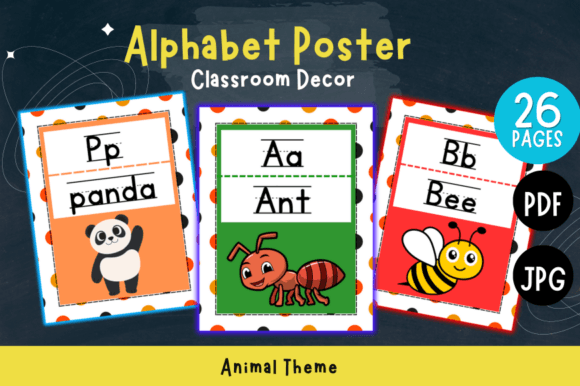
Pair them thoughtfully with other design assets. If you’re using the Alphabet Poster - Animal Theme from the same collection, you’ve got instant visual harmony. The Pastel Classroom Decor set could soften the overall palette if you want a calmer feel. For interactive learning, combine the posters with the Count Cut and Paste Pages—students see the number on the wall, then practice counting and cutting with a matching activity sheet. That kind of multi-sensory reinforcement is where real learning happens.
Design Considerations and Readability
From a design perspective, these posters succeed because they prioritize clarity without sacrificing personality. The typeface choices—likely a rounded, slightly bold sans-serif—ensure numbers are legible from across the room. The color contrasts are carefully considered, avoiding combinations that strain young eyes. There’s an intuitive visual hierarchy at play: the number itself dominates, supported by any illustrative elements that reinforce the concept without distracting.
If you’re adapting these for different contexts—say, creating matching worksheets or digital flashcards—pay attention to scale. What reads beautifully at poster size might need adjustment for smaller formats. Test your prints at actual size before committing to a full run. And consider your environment’s lighting; matte finishes reduce glare in bright classrooms, while glossy prints might work better in dimmer home settings.
Beyond the Classroom: Brand and Business Applications
Small business owners in the education space, take note. These posters aren’t just for personal use—they’re a chance to elevate your brand’s visual identity. A tutoring service could use them as background elements in marketing materials, signaling a playful, kid-friendly approach. An Etsy seller creating educational bundles could incorporate them as a centerpiece, building a cohesive product suite around the same aesthetic. Even a children’s book author might find inspiration in the poster style for chapter headings or page decorations.
The key is consistency. When your wall art, your printables, your social media graphics, and your packaging all share the same visual DNA, you build recognition. Parents start to associate that specific color palette and illustration style with your brand. That’s brand identity in action—built not through a logo alone, but through every touchpoint.
A Few Final Thoughts on Quality and Use
ModernKids Learning Press has put together something that feels both polished and purposeful. The 31-page count covers numbers comprehensively, and having both PDF and JPEG formats gives real flexibility for different workflows. The terms are straightforward—personal use only, which is standard for this kind of resource and worth respecting.
One practical tip: if you’re printing at home, invest in cardstock. The weight makes a difference in how the posters hang and how durable they feel. For commercial printing, ask about color calibration—those vibrant hues deserve to come through accurately. And don’t overlook the font pairing opportunity here; if you’re creating supplementary materials, choose typefaces that echo the poster’s friendly, rounded style without copying it exactly. A clean sans-serif for body text paired with a playful handwritten font for headers can extend the aesthetic beautifully.
Ultimately, Number Posters for a Fun Math Classroom does something quietly powerful: it makes numbers feel like they belong to every child. That’s not just good design—it’s good teaching. And for anyone working at the intersection of education and creativity, that’s a resource worth building around.