Transforming Learning Spaces with Bulletin Board Classroom Bunting
In the world of educational environments and creative branding, the physical atmosphere plays a massive role in engagement. We often focus heavily on typography and digital assets when designing a brand identity, but the tactile, physical elements of a space—like a classroom or a creative studio—deserve just as much attention. This is where the Bulletin Board Classroom Bunting steps in, bridging the gap between functional information display and aesthetic appeal. It is not merely a decoration; it is a design tool that anchors the visual hierarchy of a room.
The "personality" of this bunting set is rooted in its versatility. It avoids the trap of being overly childish or too sterile. Instead, it strikes a balance with vibrant colors and playful patterns that appeal to a wide demographic. Whether you are a teacher setting up a welcoming environment, a tutor organizing a home learning space, or a creative entrepreneur looking to style a backdrop for a photoshoot, the Bulletin Board Classroom Bunting provides a cohesive framework. It transforms a blank wall or a corkboard from a passive background into an active participant in the room's narrative.
Visual Appeal and Functional Design Hierarchy
When we talk about design assets, we usually discuss vector files or premium fonts. However, physical decor elements like this bunting function similarly to a display typeface in editorial design. They grab attention first. The visual characteristics of the Bulletin Board Classroom Bunting are designed to be high-impact but low-distraction. The patterns are engaging without being overwhelming, ensuring that the actual content you pin—whether it is student work, inspirational quotes, or critical announcements—remains the focal point.
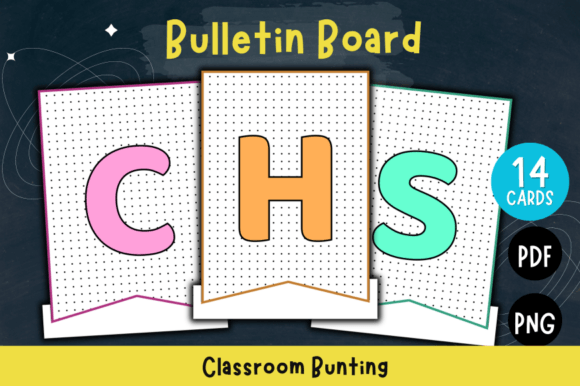
The inclusion of a "Coloring Cute Design" adds a layer of interactivity that is rare in standard packaging design or decor. It allows for customization, which is a crucial element in establishing a sense of ownership and community. In a classroom setting, allowing students to color portions of the bunting fosters a collaborative atmosphere. In a business context, such as a workshop or a team-building event, it serves as a creative icebreaker. This adaptability highlights the product's understanding of modern typography and design principles: the best design is often the one that invites participation.
Strategic Applications: Beyond the Classroom Wall
While the name suggests an educational setting, the utility of the Bulletin Board Classroom Bunting extends far beyond school walls. For content creators and marketers, creating a physical "brand world" is essential for video content and social media graphics. A well-decorated background adds production value to YouTube tutorials, Instagram Reels, or Zoom calls. This bunting offers a quick way to establish a theme—be it back-to-school, seasonal changes, or a specific color palette—without the need for expensive set construction.
Furthermore, for small business owners running brick-and-mortar stores, such as stationery shops, bookstores, or cafes, this bunting can serve as a subtle yet effective wayfinding tool or promotional display. Imagine a section of your shop dedicated to new arrivals, framed by this charming bunting. It draws the eye much like a bold serif font or a script font would on a printed poster. It signals to the customer that this area is special and curated. The bunting acts as a frame, much like a border in graphic design, containing the visual information and preventing it from blending into the rest of the store's noise.
Technical Flexibility and Asset Integration
The product includes 14 pages in both PDF and JPEG formats. This is a significant advantage for designers and hobbyists who may want to integrate these elements into larger digital projects. The JPEG files allow for easy manipulation in photo editing software. You could, for instance, use a segment of the bunting as a texture or a border in a digital invitation or a newsletter header.
Think of these files as design assets that complement your typography choices. If you are using a handwritten font for a flyer, the playful nature of the bunting patterns pairs beautifully to create a cohesive, casual aesthetic. Conversely, if you are using a clean sans serif font for a more modern look, the bunting can soften the edges, making the design feel more approachable and less corporate. This interplay between font pairing and visual elements is what separates amateur design from professional, brand identity-focused work.
Practical Implementation and Printing
From a practical standpoint, the ease of use is paramount. The files are ready to print, which removes the friction often associated with DIY decor. For a busy entrepreneur or teacher, time is a non-renewable resource. Having a reliable, print-ready asset that instantly elevates a space is invaluable.
When utilizing the Bulletin Board Classroom Bunting, consider the context of your lighting and color scheme. Just as you would test a premium font against different backgrounds to ensure legibility, you should view the bunting samples in the room where they will be displayed. The vibrant colors are designed to pop, but they also need to harmonize with the wall paint and the furniture. This attention to detail ensures that the bunting enhances the environment rather than clashing with it, maintaining the professionalism and consistency of your space.
Fostering Community Through Visuals
Ultimately, the goal of any design element—whether it is a web design interface or a physical bunting string—is to communicate a message and evoke an emotion. The Bulletin Board Classroom Bunting communicates warmth, organization, and creativity. It tells the viewer that this space is cared for and that the information displayed within it is important.
For publishers and bloggers, using this bunting in photography can add a whimsical, "behind-the-scenes" feel to bookstagrams or stationery reviews. It grounds the digital content in a physical reality, which helps build trust and relatability with the audience. By incorporating this bunting into your environment, you are not just decorating; you are curating an experience. You are creating a backdrop that encourages learning, creativity, and connection, proving that good design is always about the people who experience it.